The Emergence of Solana in the Institutional Financial Market
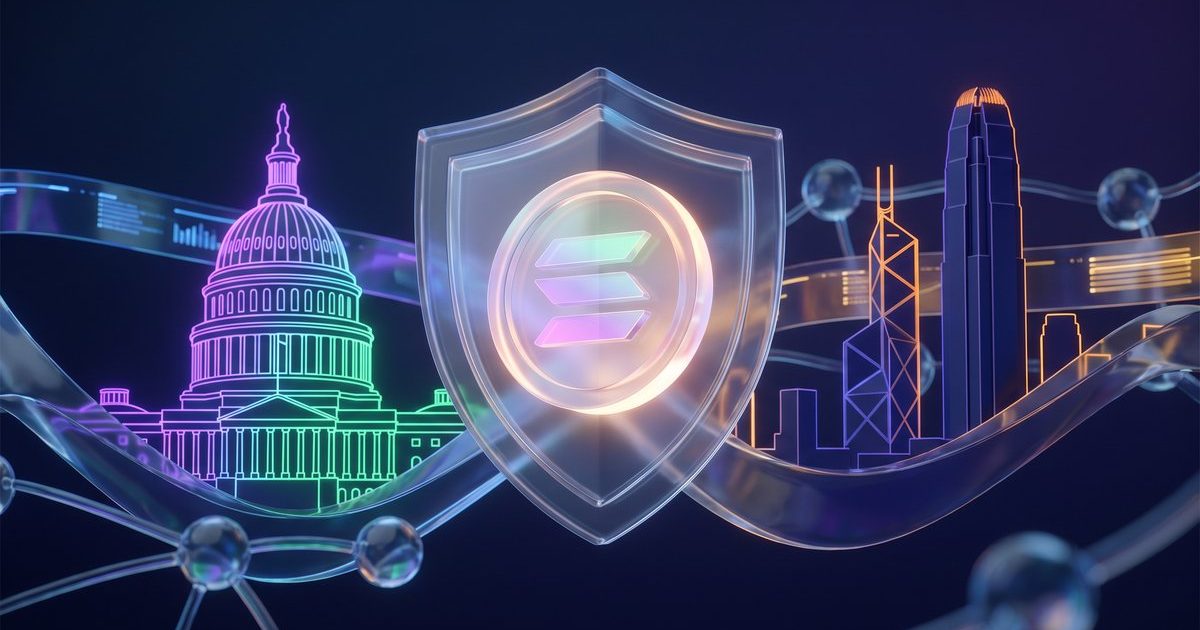
The institutional landscape for digital assets has reached a new milestone as regulatory bodies in two major financial hubs have signaled a shift toward broader asset inclusion. Following the established precedents of Bitcoin and Ethereum, the approval of investment vehicles centered on Solana (SOL) signifies a transition for the high-throughput blockchain. Recent developments indicate that the Securities and Exchange Commission (SEC) has moved forward with filings from 21Shares, while Hong Kong has simultaneously introduced its inaugural ETF for the asset, marking a dual-jurisdiction advancement for the cryptocurrency.
This shift represents more than just a new financial product; it reflects a growing consensus among regulators that Solana has reached a level of market maturity and decentralization sufficient for retail and institutional investment through traditional brokerage accounts. By removing the technical barriers associated with wallet management and decentralized exchanges, these ETFs provide a regulated entry point for a wider demographic of investors who previously remained on the sidelines of the Solana ecosystem.
The US Regulatory Path: 21Shares and the SEC
The journey toward a Solana-based exchange-traded fund in the United States has been closely monitored by market analysts and legal experts. The recent progress involving 21Shares indicates that the regulatory framework is evolving to accommodate assets beyond the two largest cryptocurrencies by market capitalization. While the SEC has historically maintained a cautious stance on digital assets, the successful launch of Bitcoin and Ethereum spot ETFs earlier this year appears to have cleared a procedural path for Solana.
For 21Shares, the completion of documentation and the subsequent regulatory green light serves as a validation of their long-term strategy to diversify crypto-investment offerings. This approval is expected to trigger a cascade of similar filings from other major asset managers, as the race to capture market share in the Solana investment space intensifies. The presence of a US-regulated ETF is often viewed as the “gold standard” for institutional credibility, potentially leading to significant capital inflows from pension funds, family offices, and registered investment advisors.
Hong Kong Positions Itself as a Digital Asset Hub
While the United States makes strides in the West, Hong Kong is aggressively pursuing its goal to become the primary digital asset hub in Asia. The introduction of its first Solana ETF is a strategic move that aligns with the region’s recent regulatory reforms aimed at fostering a robust blockchain economy. By providing a licensed and regulated environment for SOL trading, Hong Kong is positioning itself to attract capital from across the Asia-Pacific region, where interest in high-performance blockchains remains high.
The simultaneous nature of these global approvals suggests a coordinated realization that Solana’s network utility—characterized by low transaction costs and high speeds—makes it a compelling asset for diversified portfolios. The Hong Kong launch also highlights the competitive pressure between global financial centers to offer the most comprehensive suite of digital asset products. For investors in the region, this provides a transparent vehicle to gain exposure to SOL without the risks associated with offshore, unregulated exchanges.
Institutional Credibility and Market Implications
The primary benefit of these ETF approvals is the immediate boost to Solana’s institutional credibility. For years, the network was often categorized as a high-performance but experimental platform. However, the scrutiny required to gain ETF approval involves rigorous checks on liquidity, market manipulation safeguards, and custody solutions. Having passed these hurdles, Solana is now positioned alongside the most established assets in the digital finance space.
From a market perspective, the arrival of these ETFs is expected to dampen the volatility often associated with SOL. Institutional investors typically operate on longer time horizons compared to retail traders, and the systematic buying required to back ETF shares can create a more stable floor for the asset’s price. Furthermore, the integration of Solana into the traditional financial system allows for the creation of more complex financial instruments, such as derivatives and structured products, which further deepen market liquidity.
The Impact on the Solana Ecosystem and Development
Beyond the immediate financial metrics, the approval of these ETFs has profound implications for the Solana blockchain itself. A more stable and highly capitalized native token can lead to increased investment in the network’s infrastructure. Developers are more likely to build on a platform that has the backing of global financial institutions, as it suggests a lower risk of regulatory or economic failure.
The increased visibility brought by these investment vehicles may also accelerate the adoption of Solana’s real-world applications. From decentralized physical infrastructure networks (DePIN) to global payments, the validation provided by the ETF approvals could encourage traditional corporations to explore Solana-based solutions for their own operations. As capital flows into the ecosystem, the resources available for network security and scalability enhancements are likely to expand, reinforcing the network’s value proposition.
Analyzing the Competitive Landscape: SOL vs. ETH
With the launch of Solana ETFs, the competition between Layer 1 blockchains enters a new phase. For a long time, Ethereum was the sole smart-contract platform with a clear path to institutional adoption via regulated funds. The inclusion of Solana in this elite group suggests that the market is moving toward a multi-chain future where different protocols serve specific institutional needs. While Ethereum is often viewed as the established, security-focused foundation, Solana is increasingly marketed as the efficiency-focused alternative capable of handling high-frequency transactions.
Market analysts will be closely watching the “capture rate” of Solana ETFs compared to their Ethereum counterparts. If Solana can attract a significant portion of the capital currently allocated to digital asset funds, it would signal a major shift in investor sentiment regarding which technologies will dominate the next decade of decentralized finance. This competition is healthy for the industry, as it drives innovation and forces both ecosystems to improve their offerings for both developers and investors.
What’s Next: Global Adoption and Future Outlook
The approval of Solana ETFs in the United States and Hong Kong is likely just the beginning of a broader global trend. As these funds begin trading and demonstrating their viability, other jurisdictions in Europe, the Middle East, and South America are expected to follow suit. The normalization of Solana as an investable asset class will continue to bridge the gap between the “crypto-native” world and the broader financial community.
In the coming months, the focus will shift from regulatory approval to fund performance and adoption rates. Investors will be looking for sustained interest from institutional players and the impact of these funds on SOL’s market structure. While challenges remain, particularly regarding the ongoing evolution of global crypto regulations, the establishment of these ETFs marks a definitive turning point for Solana. The network is no longer just a project for developers; it is a foundational piece of the modern digital financial landscape.