
MARA Holdings, one of the largest publicly traded Bitcoin miners in the world, unveiled the MARA Foundation at the Bitcoin 2026 conference in Las Vegas on Sunday, committing to fund open-source development, security research, and education aimed at strengthening the Bitcoin network for the long term.
The foundation launches with a $100,000 community grant as its opening move. Three organisations have been nominated, and a public vote running through April 29 will decide which one receives the funds.
“We mine Bitcoin. We help secure the network every day. That gives us a responsibility to invest in the protocol’s long-term health, not just its short-term economics,” said MARA CEO Fred Thiel during his keynote at the conference.
Five Pillars of the Foundation
The MARA Foundation is organised around five areas of focus that map directly to the biggest challenges facing Bitcoin over the next decade:
1. Network Security and Quantum Resistance
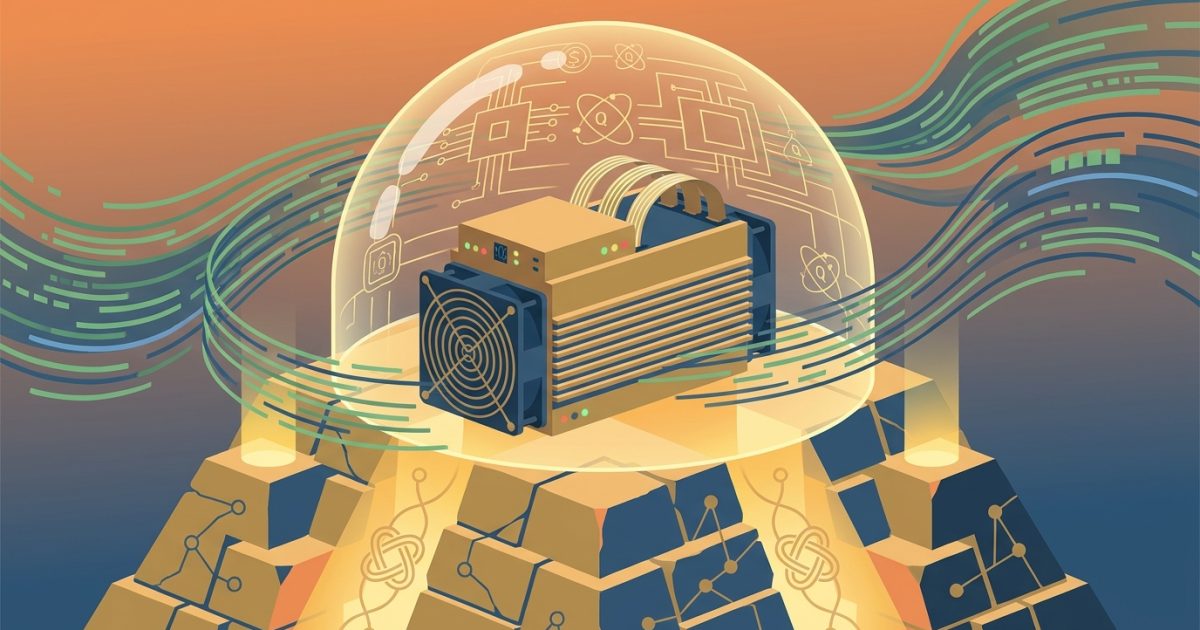
This is the headline item. The foundation will fund research into post-quantum cryptographic methods for Bitcoin. With 6.9 million BTC sitting in addresses that use older, potentially quantum-vulnerable key formats, the clock is ticking on a migration that most of the network hasn’t started.
2. Open-Source Software Development
Bitcoin’s core infrastructure depends on a small number of developers working largely without corporate backing. The foundation plans to fund contributors working on Bitcoin Core, Lightning Network, and related open-source projects.
3. Self-Custody Tools and Infrastructure
Making it easier for people to hold their own keys. This includes funding hardware wallet development, multisig tooling, and user experience improvements that lower the barrier to self-custody.
4. Public Policy and Advocacy
Working with lawmakers and regulators to shape policies that protect Bitcoin’s permissionless nature. The timing aligns with active legislative efforts in the US, including the CLARITY Act and various stablecoin bills moving through Congress.
5. Education
Funding educational resources for users, developers, and policymakers. The foundation specifically mentioned expanding technical education across languages and regions – acknowledging that Bitcoin’s next billion users are unlikely to speak English as a first language.
The Three Grant Nominees
The $100,000 inaugural grant will go to one of three organisations selected by the foundation:
- SateNet – builds community-operated wireless networks powered by Bitcoin. Think mesh networking funded by Lightning payments, aimed at providing connectivity in underserved areas.
- 256 Foundation – funds open-source Bitcoin mining hardware and software development. This matters because the mining hardware supply chain is dominated by a small number of manufacturers, and open-source alternatives reduce that concentration risk.
- Libreria de Satoshi – focuses on expanding Bitcoin technical education across languages and regions. Their work addresses the gap between English-language Bitcoin resources and the rest of the world.
Voting closes April 29 at 3:00 PM PST. In-person voting is also available at MARA’s booth at Bitcoin 2026.
Why MARA Is Doing This Now
The timing isn’t accidental. Several converging pressures are pushing the industry toward collective investment in Bitcoin’s base layer:
Quantum threat: Earlier this month, reports highlighted that 6.9 million BTC (roughly $535 billion at current prices) sit in addresses exposed to potential quantum attacks. No migration plan exists at the protocol level. Research funding is the necessary first step.
Fee market concerns: As block rewards continue halving, Bitcoin’s long-term security depends on a healthy fee market. The foundation flagged fee market research as a priority area – studying how the network sustains itself when the subsidy eventually reaches zero.
Miner economics shifting: MARA itself sold 15,133 BTC ($1.1 billion) in March to retire convertible debt and fund a pivot toward AI and high-performance computing. The company’s balance sheet shift reflects a broader industry trend where miners diversify revenue while still wanting to support the network they depend on.
MARA currently holds 38,689 BTC and trades at roughly $11.65 per share.
Industry Context
MARA isn’t the first mining company to launch a development foundation, but it’s the largest. Earlier efforts like Brink (funded by individual and corporate donors) and the Human Rights Foundation’s Bitcoin Development Fund have operated in this field, but typically with smaller budgets and narrower mandates.
The MARA Foundation’s five-pillar structure suggests a longer-term vision than a one-off grant programme. Whether it delivers depends on sustained funding commitments beyond the launch event.
Bitcoin 2026 – this year held in Las Vegas with 40,000 attendees – has become the annual gathering where major announcements land. SEC Chair Paul Atkins used the same stage to outline new regulatory frameworks, and several other companies made strategic announcements alongside MARA.
FAQ
How can I vote for the MARA Foundation grant recipient?
Voting is open on the MARA Foundation website through April 29 at 3:00 PM PST. In-person voting is also available at MARA’s booth at Bitcoin 2026 in Las Vegas.
Is the MARA Foundation funded by MARA Holdings directly?
MARA Holdings launched the foundation, but specific long-term funding structures haven’t been disclosed beyond the initial $100,000 grant.
Why is quantum resistance important for Bitcoin right now?
Nearly 6.9 million BTC use older address formats that could theoretically be vulnerable to quantum computing attacks. While practical quantum threats are still years away, cryptographic research and migration planning need to begin well in advance.